Functional Drinks for Sleep: Do Those Nighttime Drinks Work?
Meta description: A little more ease in everyday living: learn how sleep support drinks fit into a bedtime routine, what to check on the label, and when a nighttime beverage may not help.
Skip to main content | Everyday routines | Read the label | FAQs | Back to top
At the end of a busy day, it is easy to be drawn to a can, bottle, or powder promising a softer landing at bedtime. A nighttime drink can feel like a small act of care: something to sip while the kitchen is quiet and the day finally slows down. But do functional drinks for sleep actually work?
The honest answer is that it depends on what is in the drink, what you expect it to do, and what else is going on in your sleep routine. A beverage might support a relaxing ritual or offer a convenient way to take an ingredient you already use. It is not a guarantee of better sleep, and appealing packaging is not proof of a health benefit.
Here at terristeffes.com, the lifestyle-blog perspective is everyday living: home routines, recipes, books, travel, family life, and practical habits that fit real schedules. That same down-to-earth lens is useful for sleep support drinks. Rather than searching for a magic bedtime beverage, it helps to look at the label, consider the timing, and notice how the drink fits into your own evening.
What Counts as a Functional Drink?
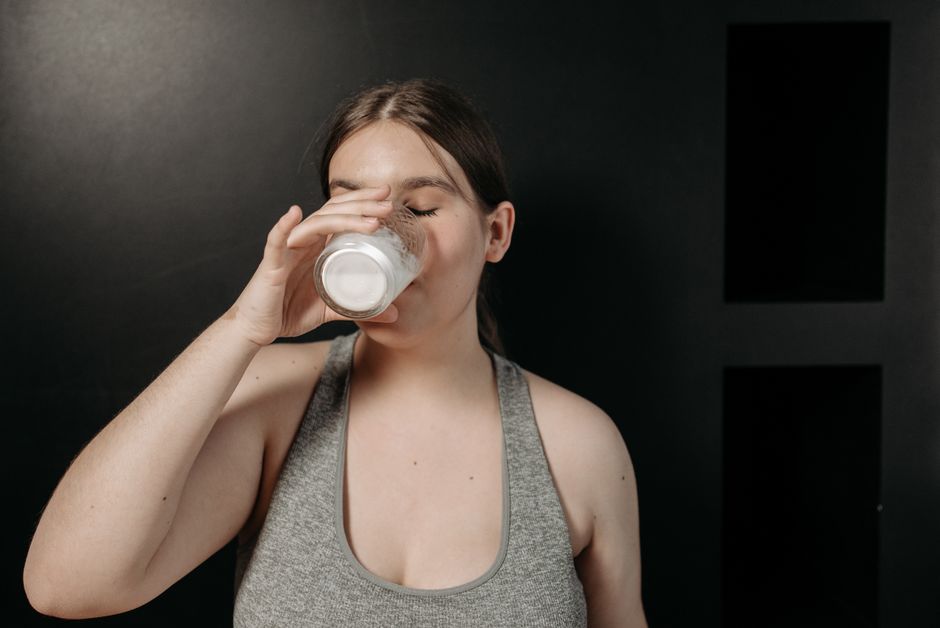
A functional drink is generally a beverage marketed as doing something beyond providing refreshment. Depending on the product, its positioning may focus on energy, hydration, digestion, relaxation, or sleep support. “Functional” is a broad description, not a promise that a drink has been proven to work for everyone or that it will treat a sleep problem.
Sleep support drinks may be sold ready to drink or as powders and concentrates to mix at home. Their labels might highlight ingredients described as calming, relaxing, or bedtime-friendly. Those words can sound reassuring, but they do not tell you how much of an ingredient is present, whether it is suitable for you, or whether the finished product has been shown to produce the result suggested by its marketing.
So, think of a functional beverage as one possible part of a routine—not a substitute for adequate sleep time, a comfortable sleep environment, or professional advice when sleep difficulties are persistent.

Do Sleep Support Drinks Work?
Some people find that having a warm or familiar drink helps them mark the transition from daytime to bedtime. That can be useful as a cue to slow down, especially when it is paired with other repeatable habits. The ritual may be the helpful part: putting the phone aside, dimming the lights, and giving yourself a few unhurried minutes.
That experience is different from proving that a particular drink or ingredient directly improves sleep. A product’s claims should be considered in light of Click here for more info its full label and the quality of evidence behind them. If a company makes a strong promise, look for clear information about what the claim means and what supports it. Without a specific ingredient list or reliable evidence to review, it would not be fair to make a product-specific judgment.
It is also worth remembering that sleep is affected by many things, including stress, work schedules, caregiving, health conditions, medications, and the amount of caffeine consumed during the day. A bedtime beverage may not address the reason you are having trouble sleeping. If sleep problems are ongoing, disruptive, or getting worse, talk with a qualified healthcare professional rather than relying on a drink to solve them.
What to Look for in Calm Drink Ingredients
The phrase “calm drink ingredients” can cover a wide range of things, from familiar food ingredients to added nutrients or plant-derived substances. The name of an ingredient alone does not establish its effect. Dose, formulation, individual health needs, and interactions can all matter, which is why broad claims are not enough to decide whether a product is right for you.
Start with the full ingredient list
Read the complete ingredient list, not just the large words on the front of the package. Check for anything you avoid, such as an allergen, an ingredient that does not suit your diet, or a substance that could conflict with your personal health needs. If you take medication, are pregnant or breastfeeding, or have a health condition, ask a healthcare professional or pharmacist about unfamiliar ingredients before trying the product.
Check amounts and serving directions
When a label lists an active ingredient, look for how much is provided per serving and how the serving is defined. A product may contain multiple servings in one container, or recommend mixing a powder in a particular amount of liquid. Follow the directions rather than assuming that taking more will produce a stronger or better result. More is not automatically safer or more effective.
Be cautious with broad promises
Words such as “sleepy,” “calm,” and “natural” can shape expectations without explaining what outcome to expect. A useful label gives you concrete information, including ingredients, serving size, directions, and appropriate cautions. Be wary of wording that implies a drink can fix every kind of sleep trouble or replace medical care.
Caffeine, Sugar, and Timing Matter
Check for caffeine
Caffeine is an important label check for an evening drink. A beverage marketed around wellness or relaxation is not automatically caffeine-free. Check the ingredient list and any caffeine information on the package, especially if you are sensitive to caffeine or are trying to reduce it. Also consider the rest of your day: coffee, tea, energy drinks, chocolate, and some other foods or beverages may contribute to your overall intake.
Consider sugar and sweetness
Look at the amount of added sugar and the serving size. A sweet drink may be enjoyable, but it is useful to know what you are choosing, particularly if you are watching sugar for personal or medical reasons. Sugar is not a reliable shortcut to sleep support, and a product that tastes soothing still deserves the same label check as any other beverage.
Think about when and how much you drink
Even a simple bedtime beverage can affect your evening if you drink a large amount right before bed and then need to get up during the night. Consider your own comfort and timing. Try a smaller serving earlier in your wind-down routine, if that fits the product directions, and notice how it affects you. Avoid treating a “bedtime” label as an instruction to drink something immediately before lying down.
What to check Why it matters A practical question Ingredients Products can contain substances you may want to avoid or ask about. Do I recognize what is included, and is anything unsuitable for me? Serving size The listed amounts and directions depend on the serving. How much am I actually drinking or mixing? Caffeine A wellness label does not guarantee that a drink is caffeine-free. Does the label list caffeine or a caffeine-containing ingredient? Sugar Sweetness and serving size can vary between products. How much added sugar is in the portion I plan to have? Claims and cautions Marketing language is not the same as individualized advice. Are the claims specific, and are there warnings relevant to me? Timing A large drink late in the evening may not suit everyone. Would an earlier or smaller serving fit my routine better?Make a Bedtime Beverage Part of an Everyday Routine
A bedtime beverage is most useful when you treat it as one small part of a larger wind-down, rather than the main event. A routine does not need to be elaborate or expensive. It needs to feel realistic enough to repeat on an ordinary weeknight, not just on the evening when you have extra time.
- Choose a steady cue. Pick a repeatable moment that signals the day is winding down, such as finishing the dishes or setting out what you need for the morning.
- Keep the drink simple. Choose something that suits your preferences and check its ingredients, caffeine, and sugar. A specialty product is not required for a calming routine.
- Pair it with a quiet activity. Read a few pages, listen to something gentle, or sit without scrolling. The point is to give yourself a transition, not to follow a perfect checklist.
- Notice your own response. If you try a new drink, change one thing at a time. That makes it easier to notice whether the taste, timing, or drink itself works for you.
- Adjust without blame. If a drink does not suit you, skip it. A routine is meant to support your life, not become another rule to feel bad about breaking.
For some households, a warm drink is a familiar end-of-day comfort. For others, a glass of water earlier in the evening—or no drink at all—is a better fit. There is no universal bedtime beverage. The best choice is one that works with your preferences and does not create a new problem for your sleep or health.
Common Mistakes to Avoid
- Judging by the front label alone. Marketing is designed to catch your eye; the ingredient list and serving details help you make an informed choice.
- Assuming “natural” means risk-free. Natural ingredients can still be unsuitable for some people or interact with medicines.
- Expecting an instant fix. A drink cannot guarantee restful sleep or resolve every cause of sleeplessness.
- Ignoring caffeine and sugar. Check the actual product rather than assuming a nighttime drink contains neither.
- Trying several new things at once. If you change drinks, supplements, and bedtime habits together, it is harder to tell what is affecting you.
- Overlooking persistent sleep problems. If sleep difficulties continue or interfere with daily life, seek professional guidance.
Frequently Asked Questions
Is a functional drink the same as a sleep aid?
No. “Functional drink” is a broad category used for beverages marketed with an added purpose. It does not automatically mean the product is a treatment, has been proven to improve sleep, or is appropriate for everyone.
What is the best bedtime beverage?
There is no single best choice for everyone. Look for something that fits your tastes and needs, check the label, and consider caffeine, sugar, serving size, and timing. A simple drink you enjoy may work just as well as a product marketed specifically for sleep as part of a relaxing routine.
How can I tell whether a drink is helping?
Notice how you feel over time without assuming that one good or bad night proves anything. Keep the rest of your routine reasonably consistent and pay attention to comfort, timing, and any unwanted effects. Stop using a product if you have a concerning reaction, and contact a healthcare professional when appropriate.
A Gentle, Realistic Takeaway
Functional drinks for sleep may appeal because they turn winding down into a small, enjoyable ritual. That can be a welcome part of everyday wellness, but the drink itself is not a guaranteed solution. Read the full label, check for caffeine and sugar, follow serving directions, and be thoughtful about ingredients that may not suit you.
Most of all, let your bedtime beverage be one option—not a requirement or a promise. A steady routine, a comfortable sleep space, and getting help for ongoing sleep concerns matter more than any label’s big claim. The little habits that stick are usually the ones that feel kind, practical, and possible on a regular Tuesday night.
Get More Everyday Living Ideas
Want more practical notes on home life, recipes, books, travel, family routines, and approachable wellness? Join the email list for a free, useful everyday-living guide and occasional updates—ideas to save, try, or simply enjoy when you have a quiet moment.
Email address
By subscribing, you agree to receive email updates. You can unsubscribe at any time.
Back to top